Photo: community programme in action

Our Programmes

Grounded in evidence and guided by the needs of the community, our programmes address health, education, and economic empowerment in an integrated and sustainable manner.

Pillar One

Health

Tharaka Nithi County has faced longstanding challenges in health access, particularly for women, mothers, and children in rural and hard-to-reach areas. The initiative works in direct partnership with the county government's Department of Health to bridge critical gaps in preventive care, maternal health, and access to services for non-communicable diseases.

Community Medical Camps

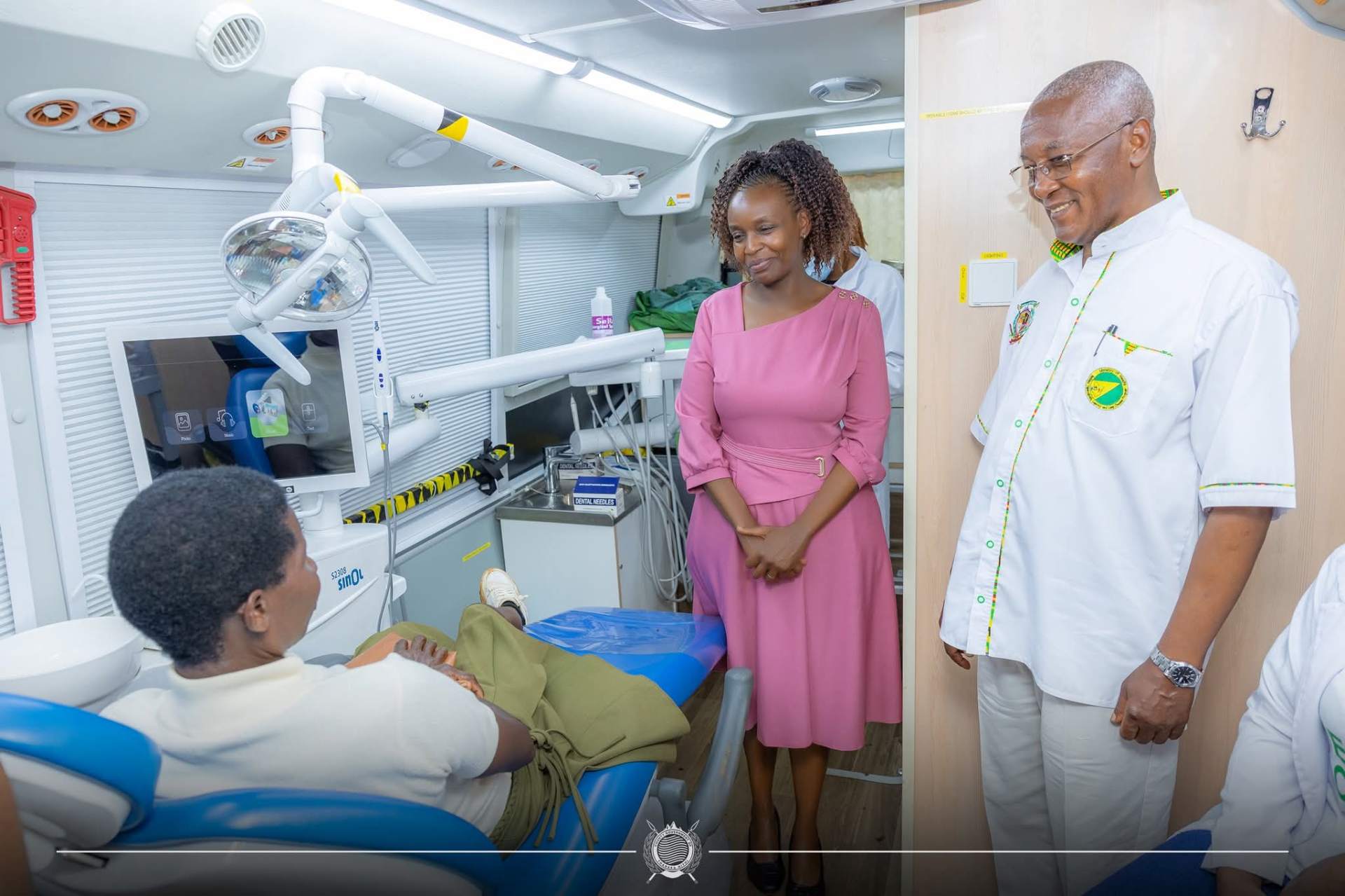
In 2018, the initiative partnered with the county government and Amref Health Africa to conduct three major free medical camps across all three constituencies. Services offered included HIV testing, cervical and breast cancer screening, TB screening, family planning, blood sugar testing, dental care, malaria testing, eye checks, and nutritional assessments.

In Maara (Nguruki Primary School), 1,278 individuals were attended to. In Chuka Igambang'ombe (Kamwimbi Primary School), 902 community members were reached, with 135 women accessing female cancer screening. In Tharaka (Shin Hyun Primary School), cancer screenings, family planning services, and laboratory tests were conducted alongside nutritional support for children.

Beyond their medical impact, the camps served as community mobilisation platforms, encouraging residents to adopt positive health-seeking behaviours.
Palliative Care Clinic

Before 2018, palliative care was entirely unavailable in Tharaka Nithi County. Patients living with cancer, kidney failure, diabetes, HIV/AIDS, and other long-term conditions had no access to specialised pain management or psychosocial support.

Through the advocacy of H.E. the County First Lady, the initiative facilitated partnerships with CHAP, KEHPCA, and CFLA. Two nurses were trained in palliative care, and a dedicated clinic was formally established at Chuka County Referral Hospital in July 2018. Since opening, the clinic has served 118 patients, 34 male and 82 female, ranging in age from 10 years to their mid-seventies.

Malezi Bora (Good Nurturing) Week

Malezi Bora Week is a bi-annual national initiative observed in May and November, designed to accelerate critical maternal and child health services. The Jiinue Initiative has supported this campaign through community mobilisation and outreach in schools and ECDE centres across all three constituencies, ensuring that even the most remote and vulnerable families are reached.

Mama Pack Distribution

Each Mama Pack contains sanitary towels, baby diapers, a baby wrapper, a lesso, a pair of slippers, tissue paper, soap, and a basin. The baby wrapper and lesso carry the inscription "Ni vyema kujifungulia Hospitalini" (It is good to deliver in a hospital).

In November 2021, H.E. the County First Lady personally visited maternity units across five sub-counties, gifting 1,424 mothers with the package. Each visit included health talks on breastfeeding, hygiene, nutrition, and Covid-19 prevention.

Menstrual Hygiene and Health

The initiative has visited seven secondary schools across all three constituencies, distributing dignity packs to both girls and boys. Girls receive a one-year supply of sanitary towels, four pairs of underwear, soap, toothpaste, and a toothbrush. Boys receive underwear, soap, toothpaste, and a toothbrush. The deliberate inclusion of boys frames menstrual hygiene as a shared community responsibility, not a matter of shame.

Pillar Two

Education

Data from the Kenya National Bureau of Statistics (2017) ranked Tharaka Nithi County among the most rural counties in Kenya, with persistently low educational attainment and significant learning gaps. The initiative addresses these gaps through mentorship, material support, and advocacy for inclusive education.

Mentorship Programme

The initiative has conducted two major mentorship programmes in Tharaka and Chuka Igambang'ombe constituencies. In Chuka Igambang'ombe, a community-based programme reached over 800 young people aged 12 to 19. In Tharaka, a school-based programme brought together more than 300 KCSE candidates at Mukothima Girls' School.

In a region where no student had achieved a mean grade of C+ or above in the KCSE for three consecutive years, the 2019 results saw seven candidates achieve C+ and above, a direct outcome of the programme's intervention.

Support for Children with Special Needs

The initiative is committed to ensuring that children with disabilities and special learning needs are never excluded from educational opportunity. In 2018, the initiative marked World Disability Day with a visit to Kairuni Special School. In 2019, celebrations were held at Chiakariga Primary School. Participants received assistive devices, food supplies, and blankets.

Youth Skills and Digital Literacy

Beyond formal schooling, the initiative equips young people with vocational and technical skills, digital literacy, and ICT competencies. Mentorship and career coaching are integrated into skills programmes to prepare youth for both employment and entrepreneurship.

Jiinue Sasa mentorship drive at Mungoni and Rubate Vocational Training Centers
March 2025

Jiinue Sasa Mentorship Drive

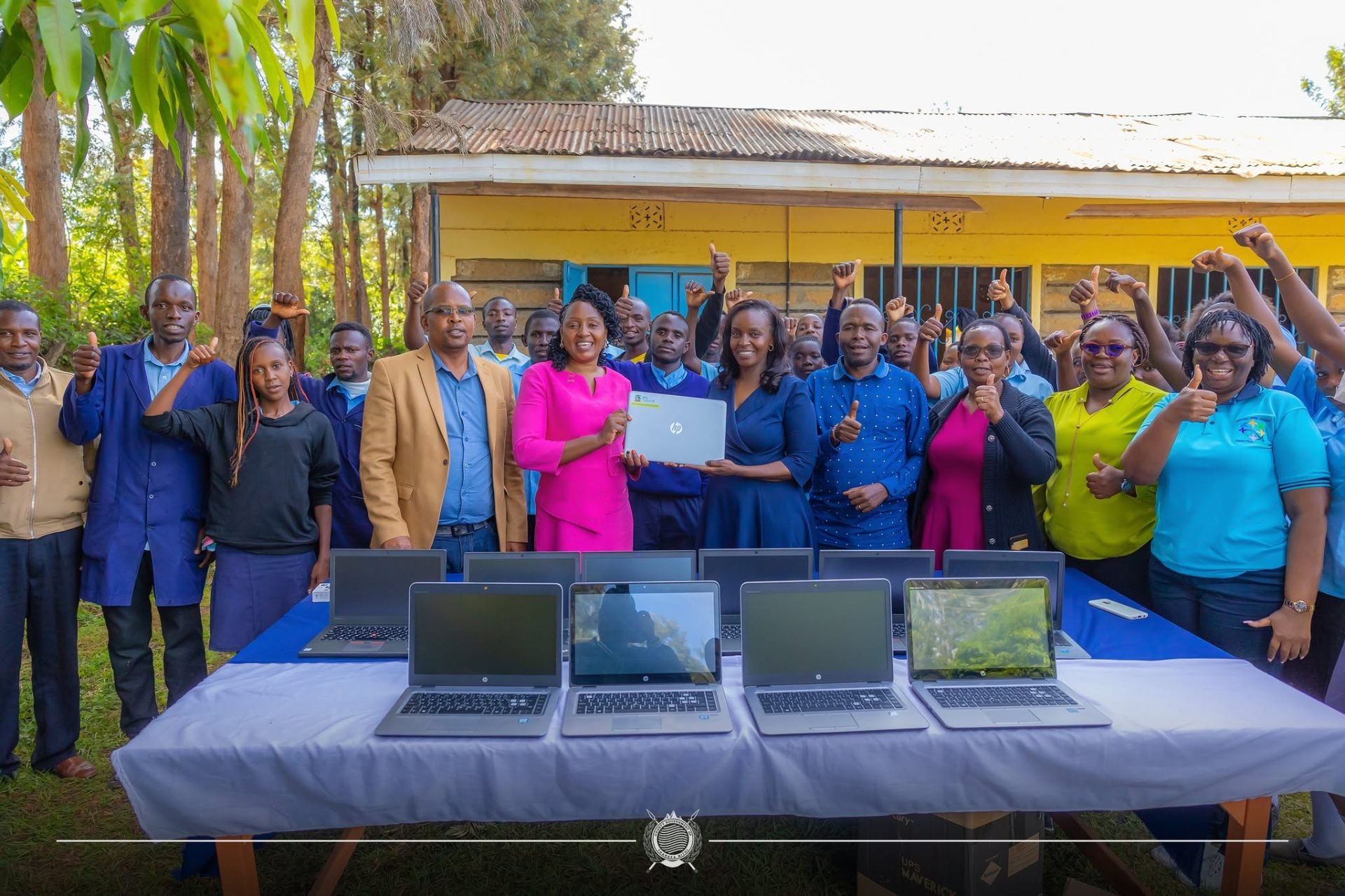
H.E. Mrs. Margaret Muthomi led a mentorship drive at Mungoni and Rubate Vocational Training Centers, donating laptops, sewing machines, and dignity kits to empower youth with technical skills for today's competitive job market.

Read the full story
Pillar Three

Economic Empowerment and Social Welfare

Women's Economic Empowerment

Women are at the centre of the initiative's empowerment agenda. Programmes include entrepreneurship and business development training, financial literacy workshops, access to microfinance and capital, mentorship from established women entrepreneurs, and market linkage support. The goal is lasting economic independence, not temporary relief.

Disability Inclusion and Social Welfare

The initiative actively works to ensure that persons with disabilities and other marginalised groups are included in all community development efforts. Activities include the distribution of assistive devices, outreach to special schools, disability-inclusive policy advocacy, and participation in national commemoration events such as World Disability Day.